Thyroid Health Optimization for Lasting Metabolic Energy


Nourishing morning rituals and nutrient-rich whole foods provide the ideal foundation for thyroid health.
Key Takeaways
- The thyroid acts as the body's metabolic engine, converting inactive T4 to active T3 primarily within the *liver and gut* tissues.
- Common indicators of a sluggish thyroid include persistent fatigue, cold sensitivity, brain fog, and slower digestion.
- Nutritional cornerstones like selenium, zinc, balanced iodine, and tyrosine provide the raw building blocks for natural hormone production.
- Chronic emotional or physical stress elevates cortisol, which can dampen metabolic signaling and redirect hormones into inactive pathways.
- A balanced lifestyle incorporating restorative sleep, cooked nutrient-dense foods, and low-strain movement creates the ideal environment for hormone equilibrium.
Thyroid Health Optimization: Natural Ways to Support Your Metabolism
There is a distinct, frustrating moment that many people experience: you wake up after what felt like a full night of rest, finish your morning routine, and yet by mid-morning, your mental and physical energy dips dramatically. It is not necessarily sheer exhaustion—it feels more as though someone slowly dialed down your body’s master dimmer switch.
When your daily rhythm feels inexplicably heavy, cold hands linger, and brain fog creeps into your routine, exploring the link between your metabolism and thyroid function is often an enlightening place to start. The thyroid gland acts as your body’s chief metabolic regulator. When this small, butterfly-shaped organ in your neck operates in harmony, cellular energy production feels smooth, effortless, and resilient.
In this comprehensive guide, we will unpack how thyroid hormones regulate your metabolic rate, examine common signs of a sluggish thyroid, and explore evidence-informed lifestyle and dietary adjustments to support thyroid function naturally.
Disclaimer: This article is intended strictly for educational and informational purposes and does not constitute medical advice. Everyone’s body responds uniquely. Always consult a qualified healthcare provider before introducing new nutritional supplements or making substantial dietary shifts.
The Engine of Vitality: Understanding Metabolism and Thyroid Function
To grasp why thyroid health optimization is so transformative for your day-to-day well-being, it helps to understand what this remarkable gland actually does.
Located at the base of your throat, the thyroid gland produces hormones that touch nearly every single tissue in the human body. Its primary outputs are thyroxine (T4) and triiodothyronine (T3):
- Thyroxine (T4): This is the primary storage and circulating hormone produced by the thyroid gland. While abundant, it is relatively inactive at the cellular level.
- Triiodothyronine (T3): This is the biologically active hormone that docks onto cellular receptors, regulating core body temperature, oxygen consumption, basal metabolic rate, and cellular repair.
Your body must efficiently convert T4 into active T3—a process that largely takes place outside the thyroid itself, specifically within the liver, gut, and kidneys. If this peripheral conversion slows down, your cells do not receive adequate metabolic signaling, even if your total hormone production appears standard on routine lab panels.
In clinical and holistic wellness settings alike, many people mistakenly view the thyroid as an isolated switch. In reality, it acts more like a biological acoustic guitar: a change in your stress levels, digestive health, or micronutrient status immediately alters the overall harmony of your endocrine system.
Recognizing the Subtle Signs of a Sluggish Thyroid
Before clinical imbalances emerge, your physiology frequently sends subtle whispers indicating that its metabolic engine is operating in low gear. While these signs can overlap with other lifestyle factors, recognizing them early can empower you to take proactive, supportive steps.
Common physiological patterns associated with a sluggish metabolic signal include:
- Persistent Low Energy: Feeling chronically drained or slow-to-start despite adequate hours in bed.
- Sensitivity to Cold: Constantly reaching for a sweater, wearing thick socks indoors, or experiencing chilly hands and feet when others are comfortable.
- Sluggish Digestive Transit: A slower metabolic rate often mirrors slower gut motility, leading to occasional constipation or bloating.
- Cognitive Hesitation (“Brain Fog”): Forgetting words, experiencing slower information processing, or lacking mental sharpness.
- Changes in Hair and Skin: Noticeable dryness on the arms and legs, or brittle nails that split easily.
[PRO-TIP: If you identify with several of these signs, consider requesting a comprehensive thyroid panel—including TSH, Free T3, Free T4, and Reverse T3—from your physician, rather than relying solely on standard basic screenings.]
Targeted Nutritional Strategies to Support Thyroid Function Naturally
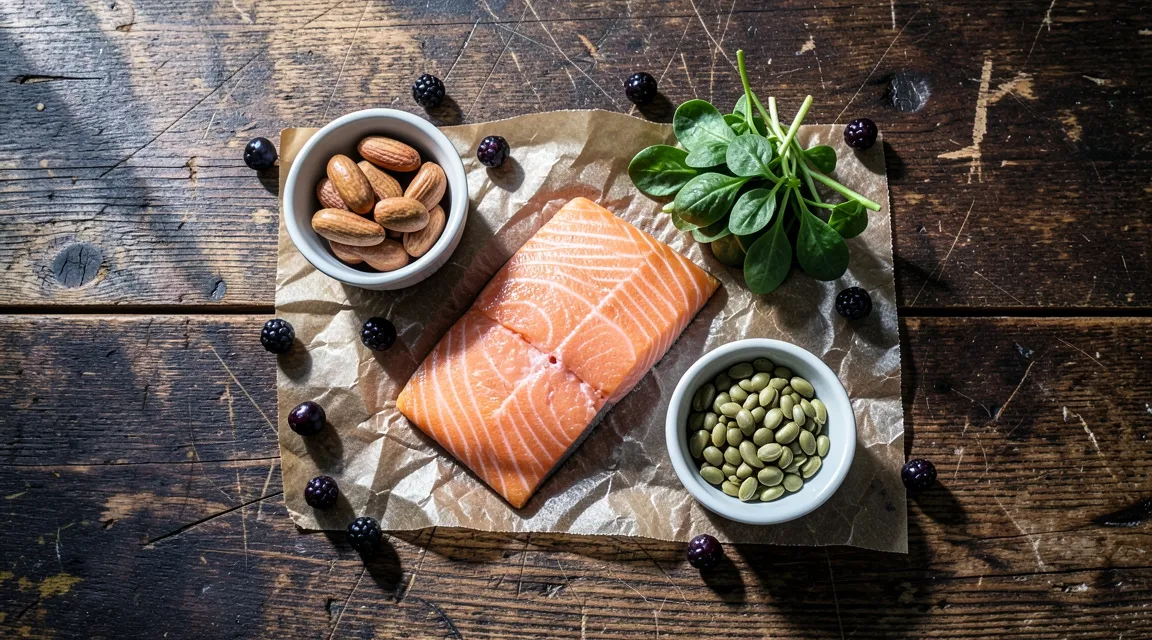
Your thyroid relies heavily on a precise palette of micronutrients to synthesize, convert, and activate hormones. Adopting an intentional, nutrient-dense nutrition strategy is one of the most effective ways to support thyroid function naturally.
1. Harness Selenium for Hormone Conversion
Selenium is a vital trace mineral that serves two primary purposes: it acts as a cofactor for the deiodinase enzymes that convert T4 to active T3, and it functions as a potent antioxidant that protects delicate thyroid tissue from oxidative stress generated during hormone synthesis.
- Nutritional Sources: Brazil nuts, wild-caught cod, turkey, sardines, and button mushrooms.
- Consideration: Just two to three Brazil nuts daily can supply a supportive dietary intake of selenium for most adults.
2. Balance Iodine Thoughtfully
Iodine is a necessary structural building block for both T3 and T4 hormones. However, iodine follows a delicate Goldilocks principle: both inadequate intake and aggressive mega-dosing can destabilize thyroid balance.
- Nutritional Sources: Sea vegetables (such as kelp or nori in modest amounts), iodized sea salt, pasture-raised eggs, and wild seafood.
- Prudent Strategy: Aim to achieve balanced iodine through diverse whole foods rather than excessive, high-dose kelp supplements, unless explicitly guided by a clinician.
3. Zinc and Copper Synergy
Zinc plays an essential role in triggering thyroid hormone receptor binding inside your cells. Research suggests that adequate zinc levels can help balance TSH regulation while aiding healthy T3 conversion.
- Nutritional Sources: Pumpkin seeds, oysters, grass-fed beef, lentils, and chickpeas.
4. Provide Adequate L-Tyrosine
L-Tyrosine is the amino acid backbone upon which thyroid hormones are constructed alongside iodine molecules. Ensuring your daily routine provides complete proteins ensures the body possesses sufficient raw materials to synthesize hormones naturally.
- Nutritional Sources: Free-range chicken, pumpkin seeds, almonds, and organic pastured dairy or sprouted legumes.
The Gut-Liver Axis: Unsung Allies in Thyroid Optimization
A significant portion of your active metabolic hormones are activated outside of the neck. When aiming for true thyroid health optimization, supporting the gut microbiome and liver pathways is essential.

The Crucial Role of the Liver
Roughly a substantial portion of T4-to-T3 conversion takes place inside the liver. If the liver is overburdened by processed foods, persistent environmental stressors, or alcohol, its ability to convert these hormones may decline.
- Metabolic Support Strategy: Emphasize leafy cruciferous vegetables (cooked or steamed to reduce raw goitrogens), antioxidant-rich blueberries, green tea catechins, and bitter greens like dandelion or arugula.
The Microbiome Connection
Beneficial bacteria in your intestines are responsible for converting another fraction of thyroid hormones into active forms through specific bacterial enzymes. Furthermore, an inflamed or permeable gut barrier can stimulate immune reactivity, which may challenge healthy thyroid tissue over time.
- Metabolic Support Strategy: Gradually integrate probiotic-rich fermented foods (like sauerkraut or kefir), soluble prebiotic fiber (such as oats and chia seeds), and consider screening for hidden food intolerances (such as gluten or industrial dairy) if digestive discomfort persists.
[PRO-TIP: Steaming or lightly roasting cruciferous vegetables like broccoli, kale, and cabbage deactivates the vast majority of raw goitrogens, making them thoroughly thyroid-friendly and rich in cellular antioxidants.]
Lifestyle Rhythms: Stress, Sleep, and Gentle Movement
Nutrients provide the raw building blocks, but daily lifestyle signals dictate whether your endocrine system shifts into energy-producing mode or protective, conservation mode.
Taming the Cortisol-Thyroid Axis
When the nervous system perceives constant chronic stress, the adrenal glands release sustained levels of cortisol. Elevated cortisol can signal your body to enter a survival-conservation state, slowing thyroid output and shunting active T4 into Reverse T3 (an inactive form that temporarily blocks cellular receptors). If you constantly battle the stubborn abdominal heaviness and fluid retention that so often accompany adrenal strain and sluggish metabolism, taking a structured approach can bring profound relief; learn how to unburden your system step-by-step with The Cortisol Bloat Reset Guide.
- Restorative Practices: Consider introducing five-minute box breathing sessions before meals, midday nature walks, or guided restorative meditation to communicate biological safety to your nervous system.

Sleep as Metabolic Reset
Thyroid hormones undergo rhythmic pulsatile releases influenced by your circadian clock. Disrupted, shallow, or irregular sleep patterns can blunt cellular hormone sensitivity and elevate morning stress markers.
- Nighttime Framework: Aim for consistent bedtimes, reduce blue-light exposure sixty minutes before resting, and keep your bedroom cool and dark.
Movement that Invigorates Without Depleting
While daily activity is celebrated for boosting mitochondrial density and stimulating metabolism, excessively grueling workouts during periods of deep exhaustion can inadvertently strain a sluggish system.
- Balanced Approach: If your energy feels heavily depleted, swap high-intensity interval training (HIIT) for zone-2 aerobic walks, gentle strength circuits, swimming, or restorative yoga until baseline vitality stabilizes.
A Sample Daily Roadmap for Thyroid & Metabolic Balance
To make these concepts intuitive and effortless to apply, consider this sustainable daily rhythm designed to nurture steady endocrine function:

| Time of Day | Supportive Action | Metabolic Benefit |
|---|---|---|
| Morning | 10 minutes of outdoor natural sunlight + glass of water with a pinch of mineral salt | Calibrates circadian rhythm and gently supports cellular hydration |
| Breakfast | Pasture-raised eggs, sautéed spinach, and a handful of berries | Supplies bioavailable tyrosine, choline, and antioxidants |
| Midday | A brisk 15-minute walk after lunch + 2 Brazil nuts | Stimulates blood circulation and provides supportive daily selenium |
| Evening | Cooked wild salmon with steamed broccoli and quinoa | Delivers zinc, omega-3 fatty acids, and low-glycemic complex energy |
| Night | Dimmed lighting, herbal chamomile tea, and technology-free wind-down | Encourages restorative sleep and calms evening cortisol spikes |
Embracing Long-Term Thyroid Harmony
Revitalizing your energy and supporting your metabolism is rarely about drastic overhauls or aggressive short-term fixes. True vitality emerges when you consistently provide your biology with the raw materials, restful recovery, and gentle movement it requires to function at its natural best.
If you suspect you are experiencing signs of a sluggish thyroid, be patient with your body. Begin by introducing one or two nourishing dietary habits this week, prioritize uncompromised evening sleep, and partner with a licensed medical professional to assess your complete hormone picture. When your internal engine receives proper care, sustained energy and metabolic harmony naturally follow.
Frequently Asked Questions (FAQ)
Can diet alone fix an underactive thyroid?
Dietary adjustments provide essential micronutrients like selenium and zinc to support hormone synthesis and peripheral conversion. However, nutrition is a supportive foundation rather than a guaranteed medical replacement if clinical hormone therapy is diagnosed by a physician.
Are cruciferous vegetables bad for people with a sluggish thyroid?
Raw crucifers contain goitrogens, which can compete with iodine uptake in very high amounts. However, cooking or steaming these vegetables largely neutralizes this effect, allowing you to enjoy their anti-inflammatory and liver-supportive benefits safely.
How does chronic stress affect thyroid hormone levels?
Sustained high cortisol from chronic stress signals the body to conserve energy. This can slow down active T3 production and divert hormones into Reverse T3, leading to persistent feelings of fatigue and sluggishness.
How many Brazil nuts should I eat each day for selenium?
Generally, eating just two to three Brazil nuts daily provides adequate dietary selenium for most adults. Consuming larger quantities daily is not recommended, as excessive selenium intake can cause unwanted side effects.
What is the difference between T4 and T3 hormones?
T4 (thyroxine) is the inactive circulating storage hormone produced directly by the thyroid, while T3 (triiodothyronine) is the active form that enters cells to regulate metabolic rate and energy production.