
Hormone Balance and Memory: How Hormones Shape Learning


Finding cognitive balance begins with understanding the body's natural rhythms.
Key Takeaways
- Cognitive adaptability depends on the dynamic balance and ratio between progesterone and estradiol, rather than either hormone acting in complete isolation.
- Groundbreaking research reveals that the *progesterone-to-estradiol ratio* can predict how effectively the brain unlearns fear-based stress responses (fear extinction).
- Cognitive processing and memory consolidation naturally shift across menstrual cycle phases, offering opportunities to align challenging tasks with peak neuroendocrine windows.
- Foundational habits like *circadian sleep optimization*, blood sugar regulation, and targeted dietary fiber create the ideal environment for steady hormone balance and sharp mental recall.
Hormone Balance and Memory: How Progesterone and Estradiol Shape Learning
Have you ever noticed that on certain days of the month, absorbing complex information feels almost effortless, while on others, old anxieties and self-doubt seem impossible to shake? That quiet shift in mental sharpness is not just in your head—or rather, it is in your head, but it is orchestrated by the cyclical ebb and flow of your hormones.
For decades, cognitive science viewed mental performance through a static lens. However, emerging research in neurobiology reveals that our capacity to learn, adapt, and unlearn stress responses fluctuates alongside our endocrine system. Understanding the relationship between hormone balance and memory is not about chasing an artificial state of daily perfection; it is about discovering how female biology naturally supports cognitive focus and long-term brain health.
Recent breakthroughs in neuroscience have illuminated a powerful partnership between two key ovarian hormones: estradiol (a primary form of estrogen) and progesterone. Far from merely regulating reproductive cycles, these chemical messengers cross the blood-brain barrier to remodel synaptic connections, regulate neurotransmitters, and influence how we process emotional experiences. When we explore how estradiol progesterone learning dynamics function, we gain practical tools to support our mental focus, cognitive resilience, and daily emotional balance.
Key Insights at a Glance
- A Dynamic Duet: Cognitive performance does not rely on a single hormone; the ratio and interplay between estradiol and progesterone guide how neurons adapt and retain information.
- Unlearning Fear: Groundbreaking research reveals that the balance between progesterone and estradiol may predict how effectively we unlearn stress responses—a process known as fear extinction.
- Cycle-Syncing Cognitive Tasks: Subtle natural shifts across the menstrual cycle—particularly near the late follicular phase—can create favorable conditions for high-focus learning and emotional recalibration.
- Holistic Support: Nourishing lifestyle habits, stress-management routines, and circadian alignment create an optimal internal environment for hormone balance and cognitive longevity.
The Dynamic Duo: Estradiol and Progesterone in the Brain
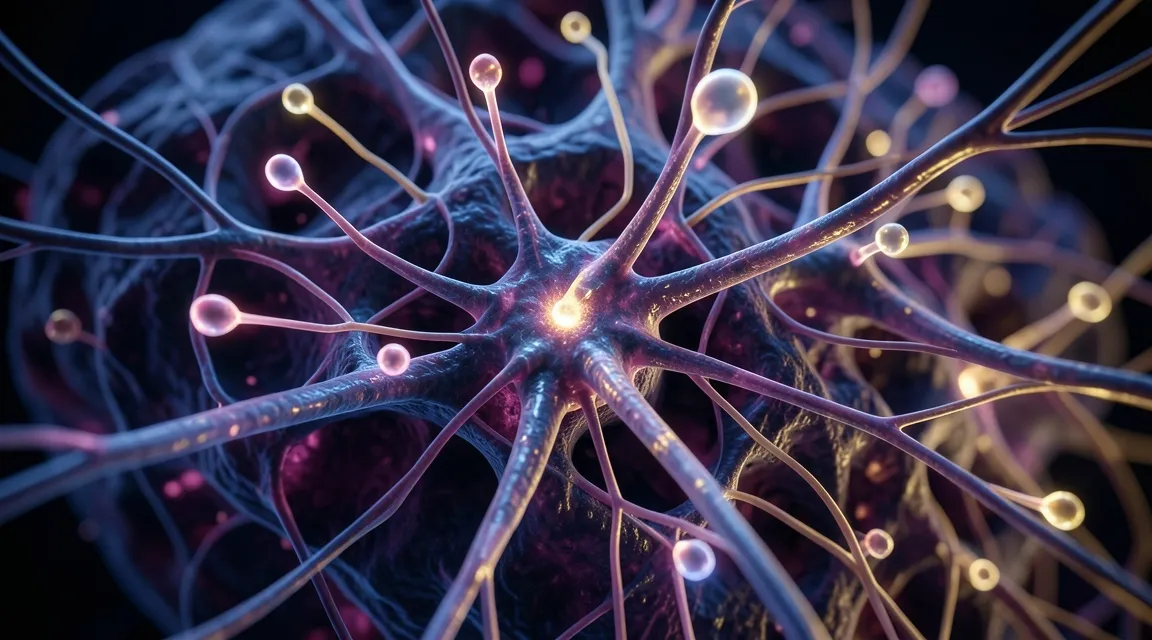
When discussing sex hormones, we often forget that the brain is packed with neuroendocrine receptors. Both estradiol and progesterone act as powerful neurosteroids, directly engaging with neural circuits responsible for memory formation, emotional regulation, and executive function.
Estradiol: The Synaptic Architect
Estradiol acts as an energizer and architect for central nervous system processing. Research indicates that estradiol:
- May promote synaptic plasticity by supporting the growth of dendritic spines in the hippocampus, the primary hub for declarative memory.
- Can enhance the sensitivity of NMDA receptors, which are vital for long-term potentiation—the cellular mechanism underlying how memories are formed and consolidated.
- Supports healthy cerebral blood flow and glucose metabolism, helping the brain sustain mental stamina throughout demanding cognitive tasks.
Progesterone: The Calming Modulator
While progesterone is often described primarily for its calming properties via its metabolite allopregnanolone (which interacts with calming GABA-A receptors), its cognitive contributions are multifaceted:
- It helps soothe excessive neuronal excitability, offering a crucial counterbalance to estradiol’s stimulating effects.
- Emerging studies suggest that healthy progesterone levels may support overall cognitive clarity and protect neuronal structures over the lifespan.
- In evaluating functional wellness patterns, when progesterone and estradiol maintain a harmonious rhythm, individuals often report a steady blend of calm confidence and crisp mental focus.
Fear Extinction: How Hormones Help the Brain “Unlearn” Stress
One of the most exciting frontiers in modern neurobiology is the study of hormones and fear extinction. In cognitive psychology, “extinction” does not mean forgetting; rather, it refers to a form of new learning where the brain realizes that a previously stressful or frightening trigger is no longer dangerous. This process forms the foundation for processing everyday stress, overcoming conditioned worries, and building emotional resilience.
What the Latest Research Tells Us
A landmark study published in the peer-reviewed journal Neurobiology of Stress evaluated the relationship between ovarian hormones and fear extinction learning across both animal models and human participants. Instead of viewing hormones in isolated silos, researchers deployed sophisticated machine-learning models (Histogram-based Gradient Boosting Regression Trees) to identify subtle non-linear relationships.
The researchers reported several fascinating discoveries:
- The Power of the Ratio: The balance between progesterone and estradiol was identified as one of the strongest predictors of fear extinction capability. Rather than high or low amounts of a single hormone dictating outcomes, the progesterone-to-estradiol ratio proved pivotal.
- Timing Fosters Adaptability: Extinction learning appeared particularly robust near the end of the follicular phase, just prior to ovulation, when estradiol is prominent relative to progesterone.
- Endocrine Shifts During Learning: Interestingly, hormone levels shifted in real time during the cognitive extinction task itself—progesterone levels tended to rise while estradiol decreased post-session, altering the ratio as the brain adapted to stress.
Understanding the neurobiology of stress hormones shows us that our capacity to bounce back from tension is not rigid. Our neurochemistry is designed to remain flexible, adapting to learning environments in real time.
[PRO-TIP: When working through emotionally draining memories or high-stress learning curves, remember that your brain is actively building brand-new safety pathways rather than simply erasing old ones. Give yourself extra grace during these cognitive shifts.]
Navigating Your Cycle: Aligning Learning with Hormonal Rhythms
Because the ratio of estradiol to progesterone changes naturally throughout the monthly cycle, you can use cycle awareness as a lifestyle framework to optimize your productivity, study habits, and emotional self-care.

1. The Follicular Phase (Rising Estradiol)
- What is happening: In the days following menstruation leading up to ovulation, estradiol gradually climbs toward its peak.
- Cognitive focus: This phase is often characterized by heightened curiosity, verbal fluency, and mental quickness.
- Suggested approach: Consider scheduling challenging new projects, analytical problem-solving, or creative brainstorming sessions during this window.
2. The Mid-to-Late Luteal Phase (Progesterone Prominence)
- What is happening: After ovulation, progesterone rises to take center stage, accompanied by a secondary, moderate rise in estradiol.
- Cognitive focus: With GABA-promoting influences taking lead, this phase naturally lends itself to consolidation, organization, and reflective work.
- Suggested approach: Use this time for auditing tasks, decluttering workflows, reflective writing, and reviewing previously learned material rather than cramming brand-new concepts under pressure.
[PRO-TIP: Avoid comparing your day-to-day productivity against a static 24-hour clock. Tracking your personal monthly rhythm in a journal often reveals predictable peaks in creative energy and analytical focus.]
Nurturing Hormone Balance for Long-Term Brain Health
While we cannot—and should not—eliminate normal hormonal fluctuations, we can establish daily lifestyle habits that support healthy hormone clearance and smooth neuroendocrine signaling. Everyone’s body responds uniquely, but these foundational practices help nurture both endocrine balance and cognitive vigor:

1. Nourish with Micronutrient-Dense Nutrition
- Cruciferous Vegetables: Broccoli, Brussels sprouts, and cauliflower contain indole-3-carbinol, which supports the liver in metabolizing estrogen smoothly.
- Healthy Dietary Fats: Hormones are synthesized from lipids. Prioritize omega-3 fatty acids from wild-caught fish, chia seeds, and walnuts to support neuronal membranes and hormone synthesis.
- Complex Fiber: Regular fiber intake supports healthy digestion and the optimal elimination of metabolized hormones through the gut microbiome.
2. Safeguard Your Sleep Architecture
Sleep is the primary window for both hormone regulation and memory consolidation. During deep, slow-wave sleep, the brain’s glymphatic system flushes metabolic debris, while the hippocampus replays daily experiences to anchor them into long-term memory storage. Aim for a consistent bedtime rhythm to help regulate cortisol and support reproductive hormone balance.

3. Modulate Chronic Stress
When the adrenal glands are consistently prompted to produce high levels of cortisol, it can disrupt downstream hormone communication and cognitive clarity. Gentle lifestyle practices—such as midday breathwork, restorative yoga, or peaceful nature walks—can help soothe autonomic arousal, keeping cortisol within healthy boundaries so reproductive hormones can communicate effectively with your brain. If you are noticing how chronic stress and elevated cortisol impact your body through fluid retention or metabolic sluggishness, taking a structured approach to stress regulation can make a transformative difference. To help calm your nervous system and restore endocrine balance, explore The Cortisol Bloat Reset Guide.
Disclaimer: This article is intended strictly for educational purposes and is not a substitute for individualized medical advice. Consult a qualified healthcare professional before implementing new dietary or lifestyle protocols.
Conclusion: Embrace Your Cognitive Ecosystem
Your brain is not an isolated machine; it is a dynamic, living ecosystem that dances in rhythm with your hormones. By recognizing how estradiol progesterone learning dynamics influence how you acquire knowledge and soothe stressful memories, you can stop fighting natural fluctuations and start working with your biology.
The relationship between hormone balance and memory highlights the beauty of human neurobiology: you are built to adapt, grow, and renew.
Your Next Step: For the next two to four weeks, keep a simple daily log. Record your energy levels, focus, and menstrual cycle phase (if applicable). By observing your own unique patterns without judgment, you will unlock a deeper, more compassionate understanding of your mind.
Frequently Asked Questions (FAQ)
How does estradiol influence memory and cognitive focus?
Estradiol plays a supportive role in synaptic plasticity by promoting the growth of dendritic spines in the hippocampus. It helps facilitate communication between neurons, which can enhance verbal memory, focus, and the speed of information processing.
What is fear extinction and why do hormones impact it?
Fear extinction is a cognitive process where the brain learns that a previously stressful trigger is safe. Research suggests that the progesterone-to-estradiol ratio plays a key role in shaping how easily the prefrontal cortex and amygdala create these new safety memories.
Does progesterone impair learning or memory?
Not at all. While progesterone promotes calming effects through its interaction with GABA receptors, recent research indicates that it supports overall cognitive health and works in tandem with estradiol. It provides a stabilizing counterbalance rather than hindering mental capacity.
Can tracking my menstrual cycle really improve my productivity?
Many individuals find that observing their cycle allows them to align specific cognitive tasks with biological strengths. For instance, the late follicular phase often supports analytical thinking and social communication, while the luteal phase can be ideal for organizational and reflective work.
When should I consult a healthcare provider regarding hormone and memory concerns?
If you experience sudden, disruptive brain fog, severe mood fluctuations, or persistent memory lapses, it is always best to consult a qualified physician or endocrinologist. A healthcare professional can evaluate underlying thyroid, nutrient, or sex hormone balances safely.


