How Meditation Brain Rewiring Works in Just 7 Days


Intensive contemplative practice sparks measurable neurological and systemic cellular shifts.
Key Takeaways
- A rigorous study from UC San Diego indicates that seven days of intensive mind-body practice can prompt measurable adaptations across both brain connectivity and blood biology.
- Blood plasma from post-retreat meditators stimulated longer neurite growth in cell cultures and elevated levels of SLITRK1, a protein tied to synaptic development.
- Brain imaging revealed connectivity patterns resembling psychedelic-like integration, illustrating that the brain can access deep altered states through meditative focus alone.
- The practice was accompanied by positive biological indicators, including increased natural pain-relieving chemicals (endogenous opioids) and enhanced immune system signaling.
- While intensive immersion acts as a powerful catalyst, consistent daily micro-sessions remain the most sustainable strategy for long-term nervous system balance.
Can Seven Days of Meditation Rewire Your Brain and Body? What Science Shows
For decades, conventional wisdom suggested that reshaping your neural architecture demanded years of disciplined contemplation in secluded mountain monasteries. Many people still assume that meaningful biological transformation requires months of rigorous, exhausting habit-tracking. But what if your body and brain could begin shifting their underlying chemistry and cellular communication in just one week?
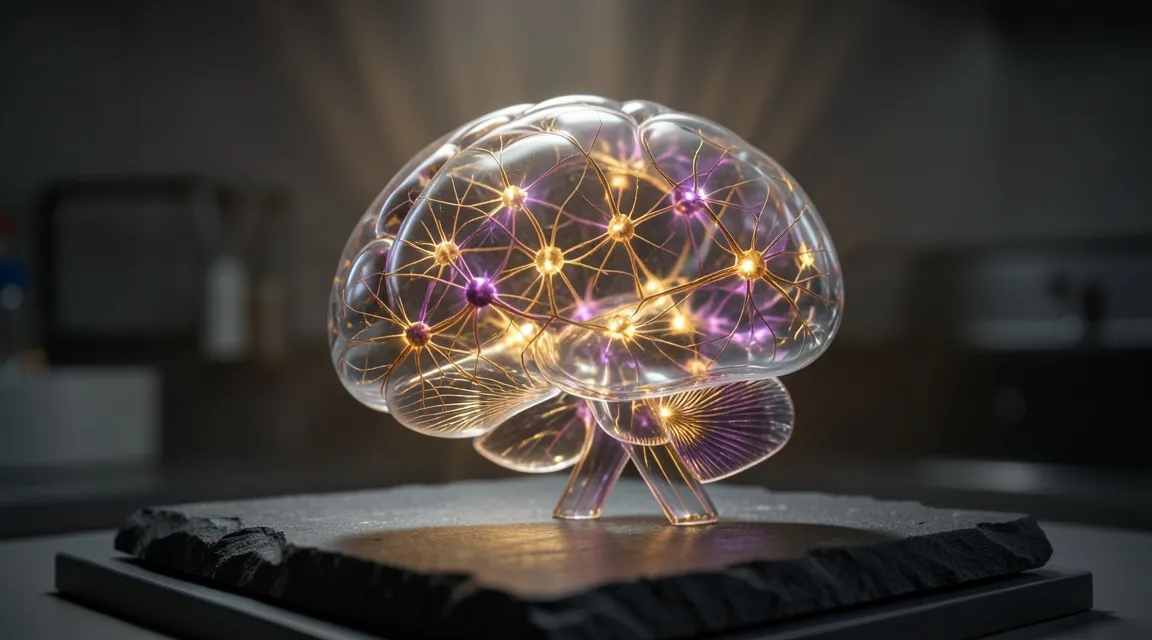
Recent laboratory investigations have brought surprising data to this conversation. A landmark investigation conducted by researchers at the University of California San Diego and published in Communications Biology suggests that an intensive week of contemplative practice may trigger measurable biological and neural shifts. Rather than producing only a brief sense of relaxation, intensive mind-body immersion appeared to prompt changes extending from deep brain connectivity down to blood plasma chemistry.
In this deep dive, we explore what contemporary science reveals about meditation brain rewiring, how cellular biology responds to deliberate mental focus, and how you can translate these profound scientific findings into your everyday wellness journey.
Educational Disclaimer: This article is for informational purposes only and does not constitute medical advice. Everyone’s body responds differently to contemplative practices, and mind-body techniques are intended to support overall well-being rather than replace conventional medical care.
The Seven-Day Phenomenon: What UC San Diego Researchers Discovered
The idea that mental focus can alter physical biology is often clouded by sensational wellness claims. However, rigorous laboratory analyses are now mapping the precise cellular and neurological footprints of dedicated contemplative training.
In an observational study published in Communications Biology, led by UC San Diego doctoral researcher Alex Jinich-Diamant alongside senior investigator Dr. Hemal H. Patel and supported by the InnerScience Research Fund, scientists evaluated participants attending an intensive seven-day mind-body retreat. Over the course of the week, attendees engaged in structured meditation sessions, contemplative study, and guided focus practices designed to explore the body’s natural capacity for self-regulation.
The team gathered comprehensive biological data, examining functional brain imaging alongside systemic blood samples. The question was straightforward: Could seven days of dedicated mental discipline alter physical markers in healthy adults?
The findings were striking. Researchers observed notable adaptations across multiple regulatory systems, highlighting that mental training does not simply soothe psychological tension—it appears to actively influence whole-body biology.
“Seeing both central nervous system changes in brain scans and systemic changes in blood chemistry underscores that these mind-body practices are acting on a whole-body scale,” noted Dr. Patel during discussions of the research.
[PRO-TIP: When beginning a meditation practice, avoid judging your sessions by how “empty” your thoughts feel. Neural adaptations are supported by the gentle act of noticing distractions and redirecting your attention, not by forcing absolute mental silence.]
Neuroplasticity Meditation: How Brain Networks Adapt Under Deep Focus
At the core of this transformation is neuroplasticity meditation—the nervous system’s natural capacity to reorganize its structure and functional connections in response to novel experiences.
During the seven-day retreat, brain scans revealed significant shifts in how disparate neural regions communicate. In daily modern life, our brains frequently default to rapid task-switching and persistent ruminative chatter, largely mediated by the Default Mode Network (DMN). When this network is overactive, it often correlates with cyclical worry and mental fatigue.

The research documented an intriguing shift:
- Calming Mental Noise: Activity within narrative-heavy cognitive networks decreased, providing respite from habitual overthinking.
- Enhanced Global Integration: Neural regions that typically operate in silos demonstrated heightened synchronized communication.
- Psychedelic-Like Connectivity: Fascinatingly, researchers observed neural communication patterns reminiscent of those seen in studies exploring altered states of awareness, yet achieved entirely through non-pharmacological, focused mental engagement.
These network adaptations suggest that deep contemplative immersion provides an optimal environment for the brain to break rigid cognitive grooves and establish more flexible patterns of emotional and cognitive processing.
Beyond the Skull: How Meditation Rewires Blood Chemistry and Cell Growth
Perhaps the most astonishing discovery from the UC San Diego investigation occurred not inside the brain scanner, but inside the petri dish.
To determine whether the physical benefits of mind-body practices extend into systemic circulation, the research team harvested blood plasma from participants before and after the seven-day intensive. They then applied this human plasma to cultured laboratory neurons.
1. Enhanced Neurite Outgrowth
The neurons bathed in post-retreat plasma grew significantly longer neurites—the vital cellular branch extensions that form synapses and facilitate intercellular communication. This biological observation provides compelling evidence that mental focus can cultivate a systemic environment that supports structural neuroplasticity.
2. Upregulation of Synaptic Proteins
Researchers noted an elevation in key regulatory proteins, particularly SLITRK1. This specific protein plays an integral role in promoting excitatory synapse development and neural architecture maintenance, reinforcing that mental practices leave detectable molecular signatures.
3. Endogenous Pain Relief and Immune Signaling
The blood profiles also revealed shifts toward balanced glycolytic metabolism, enhanced immune signaling, and an increase in endogenous opioids—the body’s natural biochemical compounds involved in soothing physical discomfort and fostering systemic comfort.
Taken together, these markers highlight the diverse mind-body practice benefits that emerge when focused intention is sustained over consecutive days.

From Retreat to Real Life: Translating the Science to Your Daily Routine
While an intensive seven-day retreat provides an immersive container, you do not necessarily need to leave your daily life behind to begin experiencing the health effects of meditation.
Decades of contemplative neuroscience—including foundational work across major research institutions—indicate that while intensive immersion creates rapid biological priming, sustainable neuroplastic adaptation is reinforced through regular, daily practice.
Here is a practical, body-supportive framework to help cultivate these neuroplastic advantages in everyday life:
1. Anchor with “Micro-Sessions”
If a multi-hour immersive retreat is out of reach, consider starting with five to ten minutes of steady mindfulness each morning. Neuroplasticity responds strongly to repetition; consistency often matters more than raw duration when establishing durable habits.
2. Pair Focus with Physiological Calming
Combine your seated meditation with gentle breath pacing, such as slow diaphragmatic breathing or extended exhales. This combination signals safety through the vagus nerve, creating an ideal hormonal backdrop for synaptic flexibility. If persistent stress is taking a toll on your gut and causing physical tension, pairing breathwork with The Cortisol Bloat Reset Guide can offer an empathetic, step-by-step path toward resetting your stress response and restoring physical comfort.
3. Cultivate Curious Awareness
In my experience working with mindfulness routines, forcing focus often generates unnecessary friction. Instead, approach your practice with open curiosity. When your mind drifts toward tasks or stressors, treat the realization as a moment of successful awareness rather than a failure.
[PRO-TIP: To maximize the restorative effects of your meditation session, avoid immediately checking your phone or email right after finishing. Give your nervous system two to three minutes to integrate the stillness before engaging with digital stimuli.]
What the Science Doesn’t Mean: Context, Nuance, and Boundaries
As exciting as these emerging studies are, evaluating them through a balanced, evidence-based lens is essential.
- Observational Design: The study examined participants within a specialized retreat environment that combined meditation, lectures, and community immersion. As the researchers pointed out, meditation was one element of a holistic lifestyle experience, meaning multiple factors contributed to the biological outcomes.
- Population Specifics: The initial cohort consisted of healthy adult volunteers. While the results demonstrate exciting physiological capabilities, further exploration is necessary to understand how these findings apply across broader clinical settings.
- Longevity of Effects: It remains an open scientific question how long these intense cellular and neural shifts persist once an individual returns to standard daily routines without continued practice.
Viewing meditation as a powerful, non-pharmacological lifestyle pillar allows you to explore its benefits safely without treating it as a universal cure-all.

The Path Forward: Cultivating Your Mind-Body Connection
The latest evidence from modern neuroscience confirms what contemplative traditions have taught for centuries: your nervous system is dynamic, adaptable, and remarkably responsive to your intentional awareness.
While seven days of focused practice can trigger remarkable biological signatures—from enhanced synaptic proteins to enriched cellular growth environments—the real beauty of meditation brain rewiring lies in its accessibility. Every time you pause, breathe consciously, and guide your scattered attention back to the present moment, you offer your brain and body an opportunity to reset, restore, and grow.
Consider setting aside ten quiet minutes today. Turn off notifications, settle into a comfortable posture, and give your nervous system the supportive space it needs to thrive.
Frequently Asked Questions (FAQ)
Can seven days of meditation really change brain structure?
Recent research from UC San Diego published in Communications Biology suggests that an intensive seven-day retreat can spark measurable shifts in functional brain connectivity and systemic markers of neuroplasticity, although sustaining long-term neural pathways typically requires ongoing daily practice.
What biological markers changed during the seven-day meditation study?
Researchers documented several physiological changes, including increased neurite outgrowth in lab-cultured cells exposed to participant plasma, an elevation in the synaptic protein SLITRK1, improved immune signaling, and higher levels of endogenous opioids associated with natural comfort.
Do I need to attend an intensive retreat to experience neuroplasticity?
Not necessarily. While an immersive seven-day retreat provides rapid biological priming, established neuroscientific literature indicates that regular daily practice of 10 to 20 minutes may also support emotional regulation, stress resilience, and neural adaptability over time.
Why did researchers compare the meditation experience to psychedelics?
Functional brain imaging showed that deep contemplative practice produced global neural connectivity and reduced default mode chatter similar to patterns documented in psilocybin research, demonstrating that altered, highly integrated brain states can occur without pharmacological substances.
Is meditation considered a medical cure for neurological or mood disorders?
No. Meditation is a supportive mind-body lifestyle practice, not a clinical treatment or cure. Anyone navigating clinical mental health conditions or neurological challenges should always consult with a qualified healthcare professional for diagnosis and specialized care.