Meditation Brain Rewiring in 7 Days Confirmed by Science


Intensive meditation practices can stimulate rapid shifts in brain connectivity and mental clarity.
Key Takeaways
- Rapid Biological Adaptation: Intensive mind-body practice can generate measurable shifts in neural connectivity and systemic blood markers in as few as seven days.
- Tangible Cellular Plasticity: Blood plasma from retreat participants stimulated neurite outgrowth and revealed elevated levels of the synaptic protein SLITRK1.
- Whole-Body Biochemical Impact: The UC San Diego study observed increased endogenous opioids (natural comfort chemicals) along with beneficial shifts in immune and metabolic signaling.
- Psychedelic-Like Brain Integration: Functional imaging documented unified brain connectivity patterns that mirrored aspects of mystical experiences without pharmaceutical intervention.
Meditation Brain Rewiring in 7 Days: What New Science Shows
For decades, conventional wisdom suggested that reshaping neural circuitry required years of quiet discipline on a remote mountain peak. If you have ever felt trapped in an exhausting cycle of mental fatigue, chronic tension, or fractured focus, the idea of waiting decades for meaningful change can feel disheartening. Most of us need effective, accessible ways to support our cognitive wellness today, not decades from now.
A landmark investigation led by researchers at the University of California San Diego (UCSD) challenges old assumptions about how slowly human physiology adapts. The findings indicate that meditation brain rewiring may begin far more rapidly than previously recognized. By evaluating participants during an intensive weeklong program, scientists captured systemic changes spanning neural connectivity, immune signaling, and cellular markers of plasticity.
Whether you are a seasoned meditator or curious about non-pharmacological ways to nurture mental clarity, this breakthrough provides compelling insights into human potential. Below, we examine the clinical data behind this UC San Diego meditation research, explore how it redefines our understanding of neural flexibility, and outline practical ways to incorporate these mind-wellness principles into your daily routine.
Key Takeaways at a Glance
- Measurable Biological Shifts: An intensive seven-day retreat induced notable shifts across brain connectivity, blood chemistry, and immune markers.
- Cellular Signals of Plasticity: Blood plasma from participants significantly encouraged neurite outgrowth in laboratory models, linked to elevated levels of the synaptic protein SLITRK1.
- Whole-Body Synchronization: Researchers observed elevated natural pain-relief compounds (endogenous opioids) and metabolic adaptations alongside central nervous system reorganization.
- Non-Pharmacological Altered States: Neural imaging revealed integrated brain activity patterns mirroring aspects of psychedelic-like mystical states without any chemical intervention.
- Actionable Application: You do not need an immediate week-off retreat to benefit; combining focused mindfulness with mental reconceptualization can support everyday resilience.
The Landmark UC San Diego Meditation Research: Inside the Seven-Day Breakthrough
Published in the peer-reviewed journal Communications Biology, this exploratory study sought to understand how sustained contemplative practice affects the human system as an integrated whole. Rather than isolating meditation in a clinical laboratory for thirty minutes, the research team studied twenty healthy adults participating in an intensive seven-day retreat in California.
The retreat format was multi-layered. Across seven days, participants engaged in:
- 33 hours of focused meditation and mindfulness training
- 25 hours of educational lectures centered on mind-body reconceptualization and the body’s innate regulatory capacities
- 5 hours of shared interactive healing rituals utilizing an open-label placebo framework
Senior author Hemal H. Patel, PhD, and lead author Alex Jinich-Diamant observed that combining focused contemplative discipline with conceptual learning produced changes that reached far beyond temporary relaxation. Participants showed substantial alterations across central neural networks alongside distinct biomarkers in systemic circulation.
[PRO-TIP: Approach mindfulness as a systemic biological event rather than just a quiet break for your thoughts. When your mental focus shifts, your autonomic nervous system and blood chemistry frequently follow.]
How the Mindfulness Neuroplasticity Study Unveils Rapid Brain and Blood Adaptations
In my experience reviewing cognitive wellness literature, researchers often focus solely on functional magnetic resonance imaging (fMRI) or isolated subjective surveys. What makes this mindfulness neuroplasticity study truly distinctive is that the authors analyzed both central nervous system imaging and peripheral blood biology to see the full picture.
1. Enhanced Synaptic Plasticity and Neurite Growth
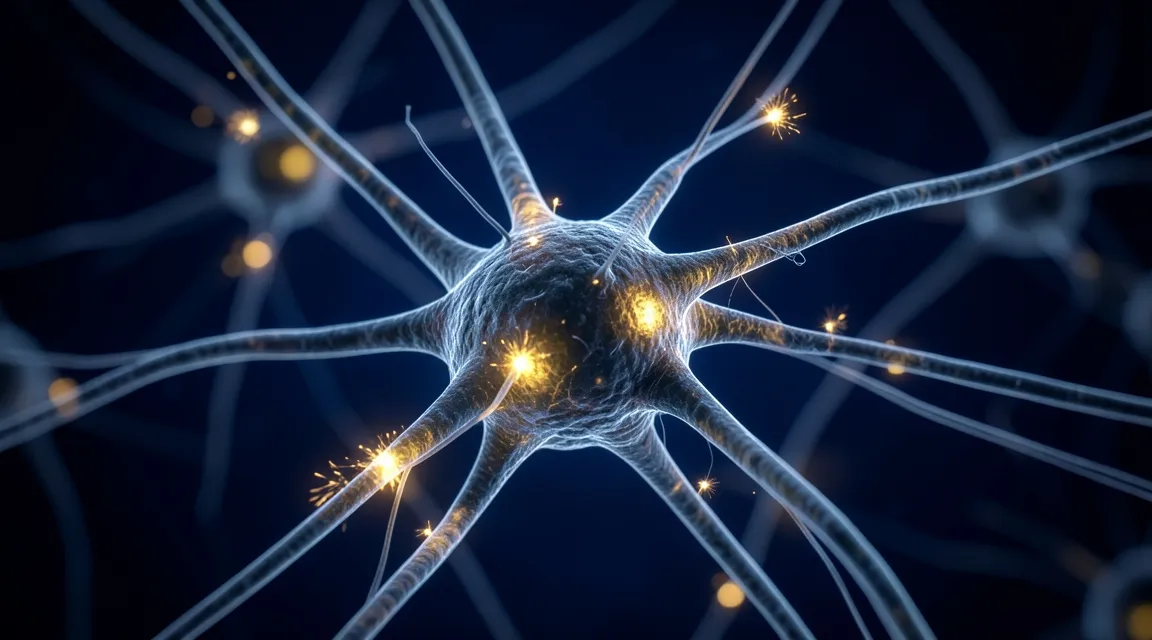
One of the most remarkable discoveries occurred at the cellular level. When researchers took blood plasma collected from participants after the seven-day retreat and applied it to human neurons in a laboratory setting, they observed significant neurite outgrowth. The cells developed longer, more branched extensions, which serves as a classical laboratory hallmark of enhanced neuroplasticity.
The team identified elevated levels of SLITRK1, an integral membrane protein known to promote the formation and maintenance of excitatory synapses. This suggests that sustained mental practice may create a peripheral biochemical environment that actively supports neural adaptation and learning.
2. Natural Pain-Modulation Chemistry
The research team also recorded a noticeable shift in circulating neurochemicals, specifically an increase in endogenous opioids. These naturally occurring peptides serve as the body’s intrinsic comfort and pain-modulation messengers. Rather than relying on external substances, the nervous system demonstrated an enhanced capacity to mobilize its own soothing chemistry.
3. Metabolic and Immune Realignment
Blood panels demonstrated functional changes in glycolytic metabolism and immune-signaling molecules. As the authors highlighted, these shifts point toward a whole-body biological adaptation. Calming the baseline stress response can help balance immune cascades, suggesting that mind-body practices health benefits extend well beyond subjective mood elevation. If you are noticing how chronic stress and dysregulated cortisol manifest physically in your own body as persistent bloating, low energy, or digestive sluggishness, exploring targeted lifestyle rebalancing with The Cortisol Bloat Reset Guide offers practical, step-by-step support.
Altered States Without Substances: Integrated Brain Connectivity
One of the study’s most talked-about observations was the shift in functional brain architecture. Neuroimaging revealed a state of whole-brain functional integration, where regions of the brain that typically operate in modular silos began communicating in a synchronized, unified manner.
Intriguingly, the authors noted that these connectivity signatures shared striking similarities with neural patterns documented during psychedelic experiences. Participants regularly reported feelings of deep presence, connectedness, and subjective mystical awareness—all achieved entirely through contemplative focus, community expectation, and breath.
Researchers observed reduced hyper-reactivity in brain areas associated with repetitive rumination and rigid internal chatter (commonly linked to the Default Mode Network). By dampening rigid narrative loops, the brain appears to become more flexible, receptive, and open to cognitive reframing.

Translating the Science: Building an Everyday Mind-Wellness Strategy
While the UCSD study evaluated an immersive seven-day immersion, few people can immediately step away from family, work, and responsibilities for a thirty-three-hour meditation week. However, we can distill the core mechanisms identified in the research into actionable daily practices that support long-term cognitive flexibility.
1. Pair Practice with Conceptual Learning (“Reconceptualization”)
A core component of the study was the 25 hours of educational lectures. Understanding how the nervous system responds to attention reinforces the open-label benefit of contemplative practice.
- Consider trying this: Spend five to ten minutes reading about neuroscience, autonomic balance, or physiology before sitting down to meditate. When your conscious mind understands the biological value of deep focus, your nervous system tends to engage with greater receptivity.
2. Introduce “Micro-Immersion” Periods
The UCSD trial demonstrated the potency of density—grouping practice hours closely together. If a seven-day retreat is out of reach, create small concentrated periods at home.
- Consider trying this: Dedicate one weekend morning a month to a “digital quiet window.” Unplug from screens, engage in three 20-minute meditation sessions interspersed with mindful movement or walking, and observe how your mental clarity shifts.
3. Engage the Somatic Feedback Loop
The presence of endogenous pain-relief chemicals indicates that meditation acts deeply on somatic (body-based) pathways.
- Consider trying this: Integrate progressive body scans or breath-focused awareness that specifically tracks physical sensations without judgment. Notice areas of tension in the jaw, shoulders, and diaphragm, inviting the tissues to soften as you exhale.
[PRO-TIP: Consistency shapes baseline wiring far more reliably than sporadic marathons. A dependable 15-minute daily practice combined with occasional deeper weekend sessions creates a supportive environment for long-term neural health.]

Important Caveats: Understanding the Limits of the Study
While these scientific findings are profoundly exciting, maintaining a grounded, objective perspective is essential:
- Observational Design: The UCSD research was an observational study with a focused sample size of 20 healthy adults. It was not a randomized controlled trial (RCT) with a passive control group.
- Multimodal Intervention: Because the retreat combined meditation, educational lectures, and community rituals, science cannot attribute the biological outcomes exclusively to meditation alone. The entire environment contributed to the result.
- Individual Variability: Everyone’s nervous system responds uniquely. While some people report profound emotional breakthroughs during immersive meditation, others may experience fatigue, restlessness, or transient discomfort. Mind-body practices are supportive educational tools for overall wellness, not medical interventions or replacements for clinical mental health care.

Embracing the Adaptive Potential of Your Mind
The recent UC San Diego meditation research delivers an inspiring message: our biology is not fixed in stone. Even over a relatively brief window of seven days, focused attention, intentional reframing, and supportive environments can encourage cellular and neural adaptations that support whole-body health.
You do not need an exotic setting or hours of uninterrupted silence to begin nurturing your neuroplastic potential. By dedicating small windows of your daily life to intentional presence, mindful breathing, and reducing digital distractions, you can actively foster an internal environment that supports mental clarity, emotional steadiness, and everyday vitality.
Frequently Asked Questions
Can meditation really change brain structure in just one week?
Recent research published in Communications Biology suggests that intensive mind-body immersion can trigger measurable shifts in functional brain connectivity and peripheral biological markers linked to neuroplasticity within seven days. While permanent structural changes typically require long-term reinforcement, the biological foundation for neural adaptation appears to activate far more swiftly than previously thought.
Did the UC San Diego study only test traditional meditation?
No. The seven-day retreat combined approximately 33 hours of meditation with 25 hours of lectures on mind-body science and 5 hours of interactive rituals. The researchers emphasized that this blended approach—combining intentional focus with intellectual understanding—likely played a central role in producing the comprehensive brain and blood adaptations observed.
How does meditation influence the body’s natural pain pathways?
The UCSD study documented an increase in circulating endogenous opioids—the body’s natural chemical messengers involved in comfort and pain modulation. By calming systemic stress and shifting autonomic signaling, regular contemplative practice may help optimize the body’s intrinsic mechanisms for managing physical tension and discomfort.
What is SLITRK1, and why is it important in this research?
SLITRK1 is a specialized protein that supports the growth and functional organization of excitatory synapses in the nervous system. The UCSD researchers identified elevated levels of this protein in the blood plasma of retreat participants, providing biological evidence that mental practices can foster an environment conducive to synaptic flexibility.
Can I get these benefits from a standard 10-minute daily meditation routine?
While the dramatic shifts noted in the study occurred during a rigorous, full-day retreat setting, daily mindfulness practices still offer meaningful support for mental resilience and stress regulation. Establishing a daily 10- to 20-minute foundation helps train your attentional control and gently conditions the nervous system over time.
Frequently Asked Questions (FAQ)
Can meditation really change brain structure in just one week?
Recent research published in Communications Biology suggests that intensive mind-body immersion can trigger measurable shifts in functional brain connectivity and peripheral biological markers linked to neuroplasticity within seven days. While permanent structural changes typically require long-term reinforcement, the biological foundation for neural adaptation appears to activate far more swiftly than previously thought.
Did the UC San Diego study only test traditional meditation?
No. The seven-day retreat combined approximately 33 hours of meditation with 25 hours of educational lectures and 5 hours of structured healing rituals. The researchers emphasized that this multimodal approach—combining focused practice with conceptual learning—likely contributed to the systemic changes observed.
How does meditation influence the body's natural pain pathways?
The UCSD study documented a measurable increase in circulating endogenous opioids—the body's natural chemical messengers involved in soothing discomfort. By downregulating stress responses, contemplative practices may support the body's inherent capacity for natural pain modulation.
What is SLITRK1, and why is it important in this research?
SLITRK1 is a specialized regulatory protein known to encourage the growth and structural development of excitatory synapses. Participants' blood plasma showed elevated levels of this marker alongside enhanced neurite outgrowth, signaling increased biological capacity for neuroplastic adaptation.
Can I get these benefits from a standard 10-minute daily meditation routine?
While the dramatic shifts observed in the study emerged from an immersive, intensive retreat format, everyday micro-practices still provide tangible support. Establishing a steady 10- to 20-minute daily routine helps cultivate focus, regulate autonomic arousal, and steadily condition your cognitive resilience over time.