Vagus Nerve Exercises for Instant Stress Relief

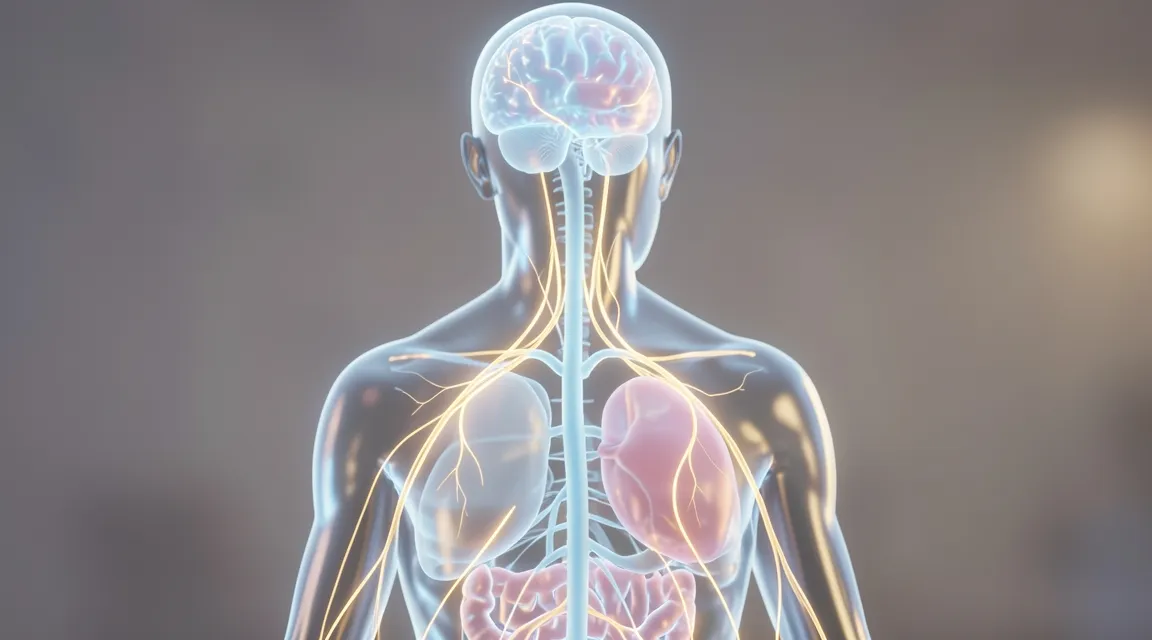
The vagus nerve acts as the body's natural superhighway for relaxation and balance.
Key Takeaways
- The vagus nerve acts as the body's natural brake pedal, helping to slow down the stress response and promote relaxation.
- Simple physical actions like eye exercises, humming, and gargling directly stimulate the vagus nerve pathways.
- Cold water exposure triggers the mammalian dive reflex, rapidly lowering heart rate and supporting HRV (Heart Rate Variability).
- These techniques are supportive neurowellness practices, not medical cures, and are best used as part of a daily regulation routine.
Vagus Nerve “Off-Switch” Protocol: A Daily Guide to Nervous System Regulation
The fast-paced nature of modern life—constant notifications, demanding work schedules, and endless to-do lists—leaves many of us stuck in a chronic “fight-or-flight” state. You probably know the feeling all too well: a racing heart, shallow breathing, and a mind spinning with worst-case scenarios.
Simply telling yourself to “calm down” does not work when your body is in high-alert mode. Your physiology needs a physical brake pedal. This is where nervous system regulation and the vagus nerve come into play.
In this guide, we will explore practical, science-backed vagus nerve exercises designed to activate your body’s natural relaxation response. These daily neurowellness tools are simple, effective, and easy to integrate into any routine to help you find your balance. Please note: Everyone’s nervous system is unique, and these techniques are intended for educational and wellness support, not as a replacement for medical treatment.
What is the Vagus Nerve and Why is Nervous System Regulation Crucial?
The vagus nerve is the longest cranial nerve in the body, stretching from the brainstem down through the heart, lungs, and digestive tract. It acts as the primary superhighway for the parasympathetic nervous system—the “rest and digest” mode.
How well your vagus nerve functions is known as vagal tone. High vagal tone means your body can bounce back and recover from stress quickly and resiliently. This adaptability is directly linked to your HRV (Heart Rate Variability). A higher HRV indicates a robust, flexible nervous system that can easily navigate life’s daily stressors.
The Three States of the Nervous System
According to Polyvagal Theory, our nervous system operates in three primary states:
- Safe and Social (Ventral Vagal): Where we feel calm, connected, and grounded.
- Fight or Flight (Sympathetic): Marked by anxiety, stress, anger, and high alertness.
- Freeze and Collapse (Dorsal Vagal): Characterized by burnout, numbness, and feeling shut down.
Practicing targeted vagus nerve exercises helps shift your body out of sympathetic or dorsal states and back into the safety of the Ventral Vagal state.
Vagus Nerve Exercises for Instant Stress Relief
While the idea of an “instant off-switch” for stress sounds ambitious, making small, intentional shifts in your physiology can rapidly signal safety to your brain. Here are practical exercises you can easily integrate into your daily routine:
1. The Basic Exercise (Gillian Flores / Stanley Rosenberg Technique)
This simple technique relaxes the suboccipital muscles and optimizes blood flow to the brainstem where the vagus nerve originates.
- How to do it:
- Lie down comfortably on your back or sit up straight.
- Interlace your fingers and place them behind the back of your head, letting your head rest comfortably in your hands.
- Keeping your head completely still, look as far to the right as you comfortably can using only your eyes.
- Hold this position while breathing deeply and slowly. Within 30 to 60 seconds, you may experience a natural sigh, yawn, or swallow. This is a physiological sign that your parasympathetic nervous system is activating.
- Bring your eyes back to the center, then repeat the process by looking to the left.
[PRO-TIP: Keep your neck completely still during this eye exercise. Moving only your eyes is what facilitates direct vagal stimulation.]

Humming and Gargling to Boost Vagal Tone
The vagus nerve innervates the vocal cords and the muscles at the back of your throat. Because of this direct anatomical connection, any activity that creates vibration in this area can stimulate the vagus nerve.
Humming for Relaxation
Take a deep breath in, and as you exhale, hum a low “Mmmmmm” sound. Focus on feeling the vibration in your throat, chest, and face. This simple practice helps slow your heart rate and quiet a racing mind.
Gargling for Vagus Nerve Stimulation
Adding a simple gargle to your morning routine can strengthen your vagal tone. Use a glass of water and gargle vigorously, ensuring the water creates a strong, deep vibration at the back of your throat to engage the laryngeal muscles.
Cold Exposure: A Fast Reset for the Nervous System
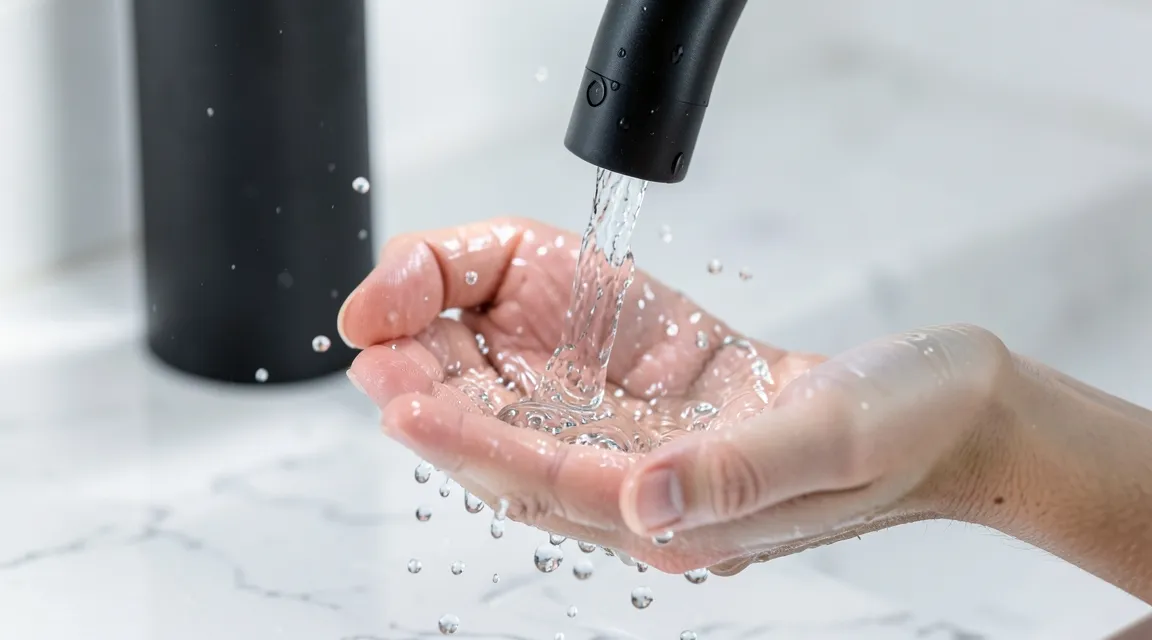
Cold exposure is one of the fastest ways to balance the autonomic nervous system and boost your HRV. When your skin is exposed to cold, it triggers the “mammalian dive reflex,” which naturally lowers your heart rate and redirects oxygen-rich blood to your vital organs.
How to Safely Practice Cold Therapy
- Cold Water Face Splash: Fill a bowl with cold water (and optionally a few ice cubes). Hold your breath and submerge your face for 10-15 seconds. This acts as an immediate circuit breaker for acute anxiety.
- Cold Shower Finish: End your warm shower with 30 seconds of cold water, gradually building up your tolerance over time.
[PRO-TIP: Avoid shocking your system with freezing water right away. Start with cool water and build up gradually. If you have cardiovascular conditions, consult your doctor before trying cold exposure practices.]
Building a Sustainable Neurowellness Routine
While one-off exercises offer quick relief, the real magic of nervous system regulation happens when you build consistent habits. Modern neurowellness emphasizes small, daily doses of regulation to reshape your baseline stress levels. If you are struggling with physical symptoms of chronic stress, such as stubborn puffiness or digestive discomfort, combining these neural exercises with a structured wellness routine can make a world of difference. To help you target the physical manifestations of chronic stress, we designed The Cortisol Bloat Reset Guide to help restore balance from the inside out.
- Master Your Breathwork: Focus on prolonged exhalations (e.g., inhale for 4 seconds, exhale for 6). This activates the vagal brake on your heart.
- Prioritize Social Connection: Engaging in face-to-face conversations, laughing, and making eye contact with loved ones stimulates your ventral vagal system.
- Incorporate Daily Mindfulness: Spend just 5 minutes noticing your physical surroundings—the sounds, colors, and textures. This grounds your nervous system in the safety of the present moment.
Remember, everyone’s body is different. Some exercises will feel instantly soothing, while others might take some practice. Be gentle with yourself and listen to your body’s signals.
Frequently Asked Questions (FAQ)
How often should I perform vagus nerve exercises?
You can practice these exercises 1-2 times daily or whenever you feel stressed as a supportive tool. Regular practice is key to improving your vagal tone over time.
How does gargling affect the vagus nerve?
Gargling stimulates the muscles at the back of the throat, which are directly innervated by the vagus nerve. Activating these muscles sends a physical calming signal to your brain.
Who should avoid cold exposure therapy?
Individuals with cardiovascular issues, high blood pressure, or Raynaud's syndrome should avoid sudden cold exposure or consult their doctor before attempting it.
What are the signs of low vagal tone?
If you find it hard to calm down after a stressful event, experience chronic digestive issues, or have a consistently low HRV, your vagus nerve may benefit from targeted stimulation.
Can these exercises cure anxiety?
No, these exercises are not medical treatments. They are daily neurowellness tools designed to help regulate your physical stress response and support overall nervous system regulation.