Melatonin Importance: Boost Your Sleep Hormone Naturally


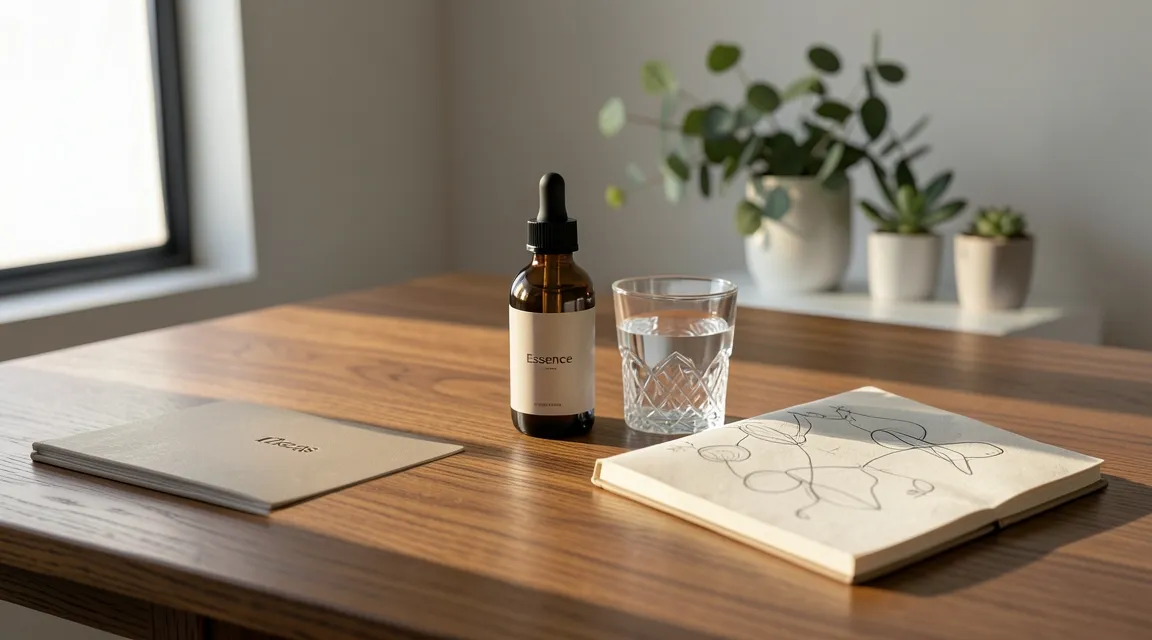
Creating a low-light evening environment helps signal your body to produce melatonin naturally.
Key Takeaways
- Recognizing melatonin importance helps frame sleep as a 24-hour circadian cycle rather than an isolated nighttime event.
- Morning sunlight exposure boosts serotonin synthesis, providing the biological building blocks needed for nighttime melatonin release.
- Reducing exposure to blue light and overhead lighting after dusk helps prevent pineal suppression naturally.
- Focusing on lifestyle adjustments—such as diet, light hygiene, and wind-down routines—creates a sustainable foundation for natural rest.
The Architecture of Rest: Understanding Melatonin Importance and How to Boost Its Secretion Naturally
Have you ever wondered why your mind suddenly feels heavy and ready for sleep as twilight fades, or conversely, why lying in bed staring at the ceiling has become an all-too-familiar evening struggle? In our hyper-connected, artificially illuminated world, the delicate rhythm of our sleep-wake cycle often gets thrown off balance. At the heart of this internal clock sits a remarkable chemical messenger: melatonin.
Understanding melatonin importance goes far beyond viewing it as a simple “sleep switch.” It acts as your body’s master timekeeper, signaling to every organ system that it is time to slow down, repair, and rest. In my experience working alongside circadian health research, many individuals focus heavily on quick evening fixes while overlooking the foundational daytime habits that naturally influence pineal gland function.
In this comprehensive guide, we will explore the essential role of this hormone in your overall mind-wellness and outline practical, body-supportive strategies on how to increase melatonin release naturally without relying solely on exogenous interventions.
What is Melatonin? Unpacking Melatonin Importance for Mind and Body
Melatonin is an indoleamine hormone produced primarily by the pineal gland—a tiny, pinecone-shaped structure located deep within the center of the brain. Often termed the “vampire hormone” because it emerges exclusively in darkness, its primary function is to communicate temporal cues to the rest of the body.

When light enters the eye, it hits specialized cells in the retina called intrinsically photosensitive retinal ganglion cells (ipRGCs). These cells send direct signals to the suprachiasmatic nucleus (SCN)—your brain’s central pacemaker. When sunlight is abundant, the SCN suppresses melatonin secretion. As daylight recedes, this suppression lifts, signaling the pineal gland to begin releasing melatonin into the bloodstream.
Why Is Melatonin Importance So Critical?
- Circadian Rhythm Synchronization: It serves as the primary clock signal for your central and peripheral biological rhythms, ensuring your metabolic and neurological processes operate in harmony.
- Support for Cellular Repair: Research suggests that melatonin plays a unique role in nighttime cellular restoration and oxidative balance within neural tissues.
- Transition to Restful States: While it does not act as a heavy sedative, melatonin creates an optimal internal environment that allows sleep to occur naturally and gently.
[PRO-TIP: Think of melatonin not as a heavy sleeping pill, but as the conductor of an orchestra. It doesn’t play the instruments, but it signals every section when it is time to start playing softly.]
How to Increase Melatonin Release Naturally: A Daily Circadian Roadmap
If you are exploring how to increase melatonin release naturally, the most effective approach begins long before your head hits the pillow. Because melatonin synthesis is intimately tied to your overall daily light-dark exposure, your daytime habits set the stage for your nighttime rest.
1. Harness Early Morning Sunlight
To produce robust levels of melatonin at night, your body requires adequate precursor building blocks during the day. Sunlight exposure in the morning stimulates the synthesis of serotonin, an essential neurotransmitter that later converts into melatonin when darkness falls.
- Actionable Step: Consider spending 10–15 minutes outdoors within an hour of waking up. Even on overcast days, natural light is significantly brighter than typical indoor fixtures.

2. Practice Evening Light Hygiene
Artificial light after sunset—particularly short-wavelength blue light emitted from smartphones, tablets, and LED televisions—can deceive the suprachiasmatic nucleus into believing it is still daytime. This may significantly delay or suppress natural melatonin release.
- Actionable Step: You may want to swap harsh overhead lighting for warm, low-level lamps after dusk. Consider activating night modes on electronics or opting for blue-light filtering eyewear during late hours.

[PRO-TIP: Aim to position evening ambient lights lower than eye level. The light-sensing cells in the retina are particularly sensitive to overhead light sources, which mimic the midday sun.]
3. Incorporate Circadian-Supportive Foods
While dietary sources alone rarely replace healthy light exposure, certain foods contain naturally occurring melatonin or key building blocks like L-tryptophan, vitamin B6, and magnesium.
- Tart Cherries: Widely recognized in nutrition research as a natural dietary source of melatonin.
- Walnuts and Almonds: Provide a combination of healthy fats, magnesium, and trace amounts of circadian-supportive compounds.
- Pumpkin and Sesame Seeds: Rich in tryptophan, an amino acid fundamental to the serotonin-melatonin pathway.

4. Create a Consistent Thermal and Mental Wind-Down
Your core body temperature naturally drops as your body prepares for rest, working synergistically with rising melatonin levels. Engaging in calming routines helps decrease sympathetic nervous system activity, allowing natural physiological processes to unfold.
- Consider trying: A warm shower or bath 60 to 90 minutes before bed. As your skin cools afterward, it signals to your body that it is time for rest.
Modern Disruptors: Why Natural Melatonin Secretion Might Falter
Many individuals experience challenges with sleep architecture despite having healthy pineal function. In my observation across numerous mind-wellness discussions, modern lifestyle habits are often subtle disruptors:
| Disruptor | Impact on Circadian Function | Suggested Adjustment |
|---|---|---|
| Late-Night Blue Light | Suppresses pineal signal via ipRGC stimulation | Shift to amber lighting 2 hours before rest |
| Irregular Sleep Schedules | Confuses central clock mechanisms | Strive for consistent wake times, even on weekends |
| Late-Day Caffeine Consumption | Blocks adenosine receptors, disrupting sleep drive | Consider setting a caffeine cutoff time around mid-day |
| Elevated Evening Stress | High cortisol can counter balanced melatonin signaling | Integrate gentle breathwork or journal writing at dusk |
Elevated stress and chronic cortisol production directly interfere with your body’s ability to transition into deep, restorative sleep while also triggering uncomfortable physical symptoms like nighttime swelling and fluid retention. If unmanaged stress and hormonal shifts are affecting your energy and evening recovery, taking control of your daily stress signals is essential. You can take actionable steps to restore balance and relieve stress-induced bloat with The Cortisol Bloat Reset Guide.
Supplementation vs. Natural Secretion: A Balanced Perspective
While synthetic melatonin supplements are widely accessible, many sleep experts recommend prioritizing natural light regulation and environmental changes first.
Supplements can be useful for temporary circadian disruptions, such as jet lag or shift work adjustments. However, relying solely on high-dose supplements does not address underlying lifestyle habits, and high doses may lead to morning grogginess or vivid dreams in sensitive individuals.
Conclusion: Crafting Your Personal Sleep Architecture
Understanding melatonin importance allows us to appreciate how intricately connected our daily choices are with our nighttime recovery. Rather than viewing sleep as an isolated event that happens at night, we can see it as the continuation of a 24-hour cycle shaped by sunlight, nutrition, movement, and environment.
If you are looking for a simple next step on how to increase melatonin release naturally, start small tomorrow morning: step outside for a few minutes of natural daylight, and dim your overhead lights an hour earlier tonight. By working alongside your body’s natural wisdom, you create an ideal ecosystem for deep, restorative rest and sustained mind-wellness.
Frequently Asked Questions (FAQ)
What is the primary role of melatonin in the body?
Melatonin serves as the primary biological timekeeper for your body. It communicates to your organ systems that darkness has arrived, helping to synchronize circadian rhythms and create an optimal physiological environment for rest and cellular repair.
Can dietary changes alone increase melatonin levels?
Certain foods, such as tart cherries, walnuts, and tryptophan-rich seeds, contain naturally occurring melatonin or its precursors. While dietary choices can support overall health, they work best when combined with proper morning light exposure and evening light management.
How long does artificial light suppress natural melatonin release?
Exposure to bright or blue-enriched light in the evening can rapidly suppress pineal secretion. Depending on the intensity and duration, natural levels may take several hours to recover once bright lights are turned off.
Is taking a high-dose melatonin supplement safe every night?
Exogenous melatonin is best utilized for short-term adjustment scenarios like jet lag. Many sleep specialists recommend keeping doses low and prioritizing natural lifestyle strategies first. Always consult your medical provider for individualized guidance.
Does age affect natural melatonin production?
Research indicates that natural melatonin output tends to gradually decrease as adults age. Adapting circadian hygiene routines, such as spending time in morning sunlight and limiting evening screen exposure, becomes increasingly valuable over time.